Cook Strait: Channel Number Four

Cook Strait was the fourth crossing in my Oceans Seven journey and took me down under to New Zealand.
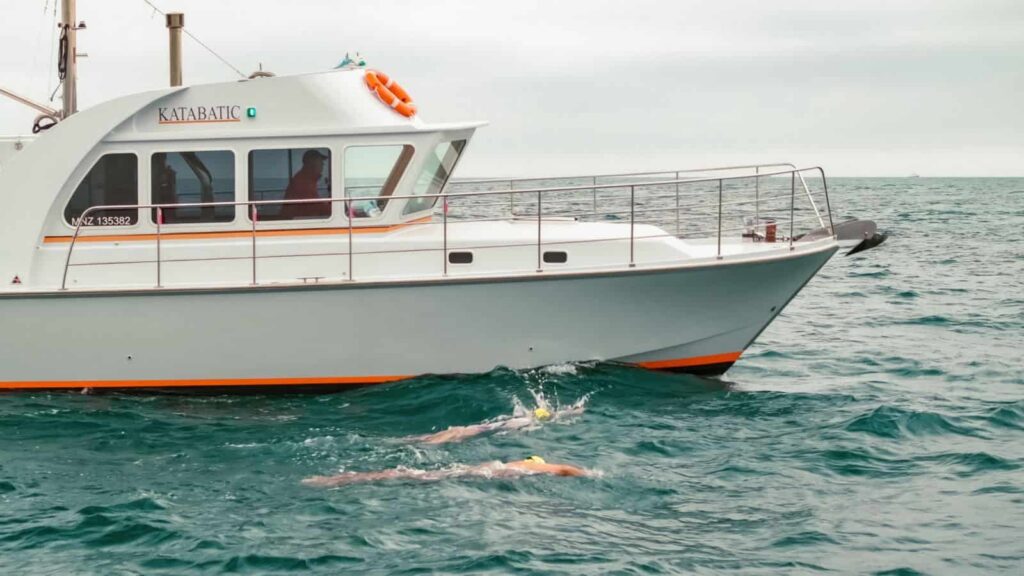
Slots for Cook Strait, like many of the world’s major channel crossings, are notoriously difficult to secure. The crossing is governed by narrow tidal windows and unpredictable weather, so when an opportunity becomes available, swimmers generally need to take it. With Katabatic Charters entering the scene as a new escort-boat operator, additional opportunities were becoming available for those hoping to attempt the crossing.
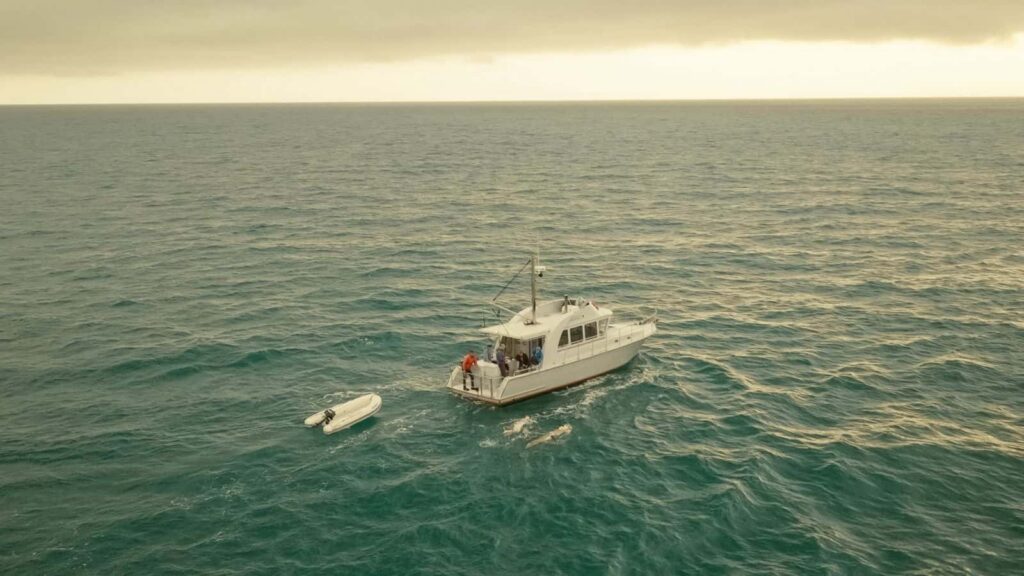
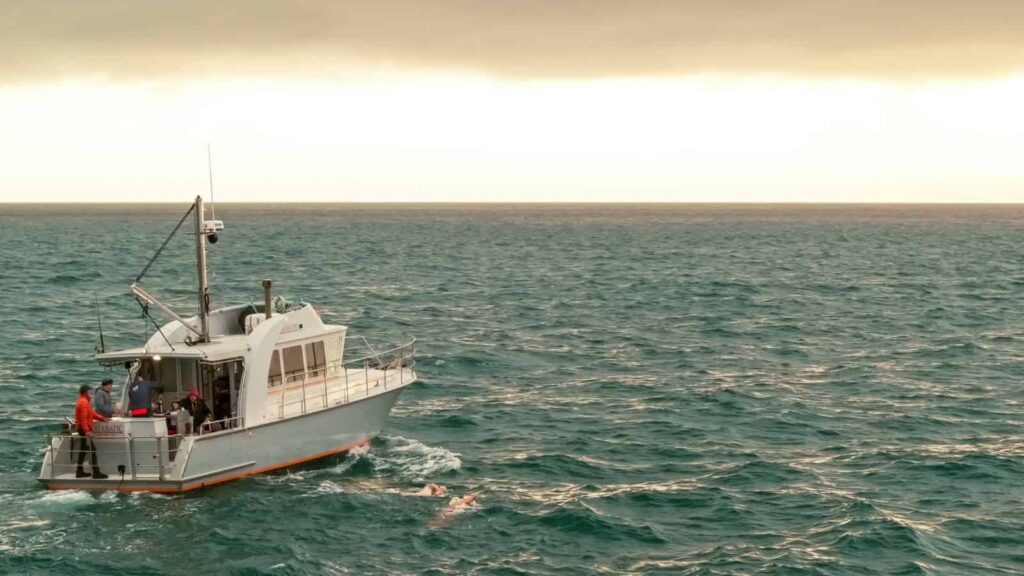
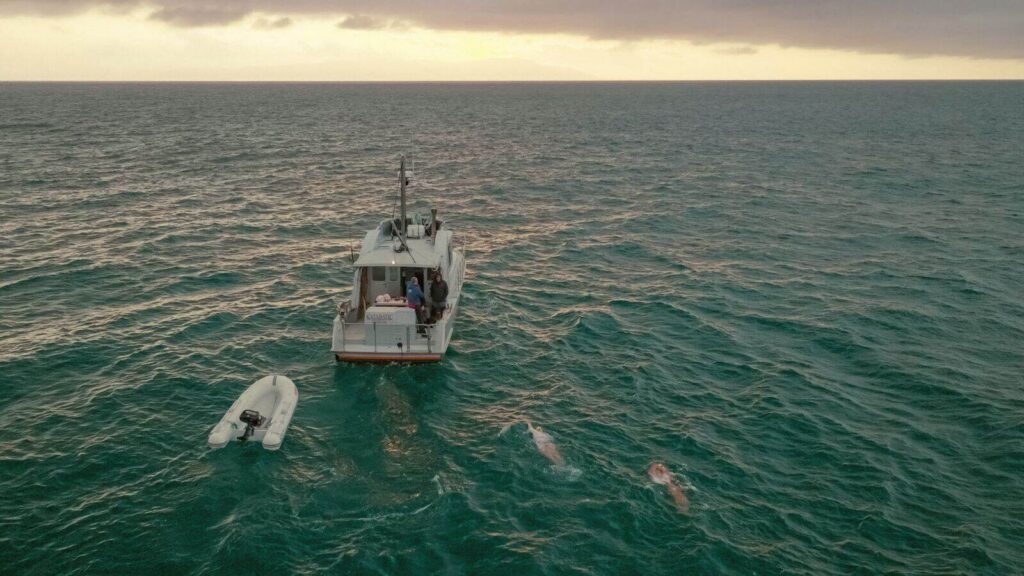
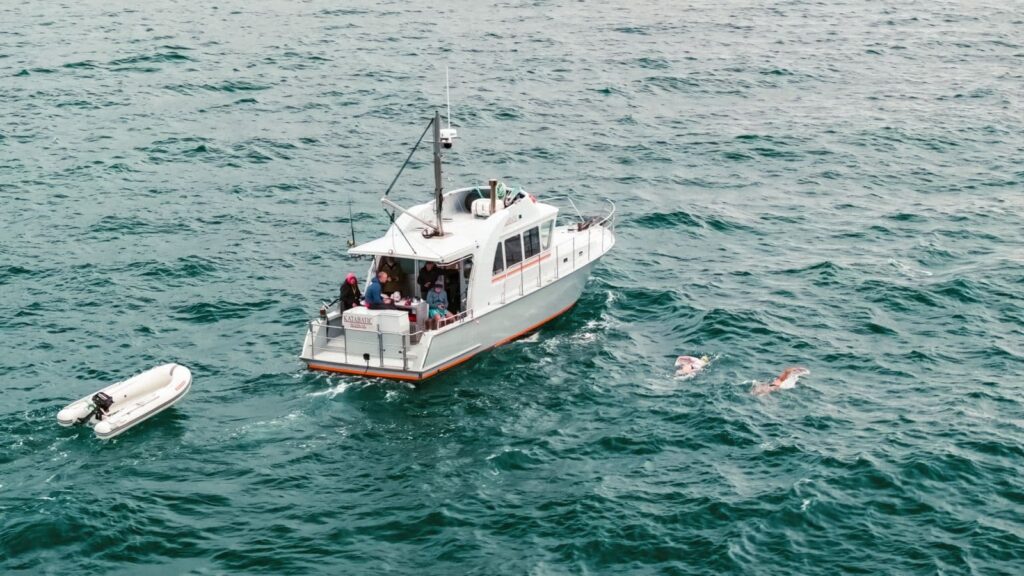
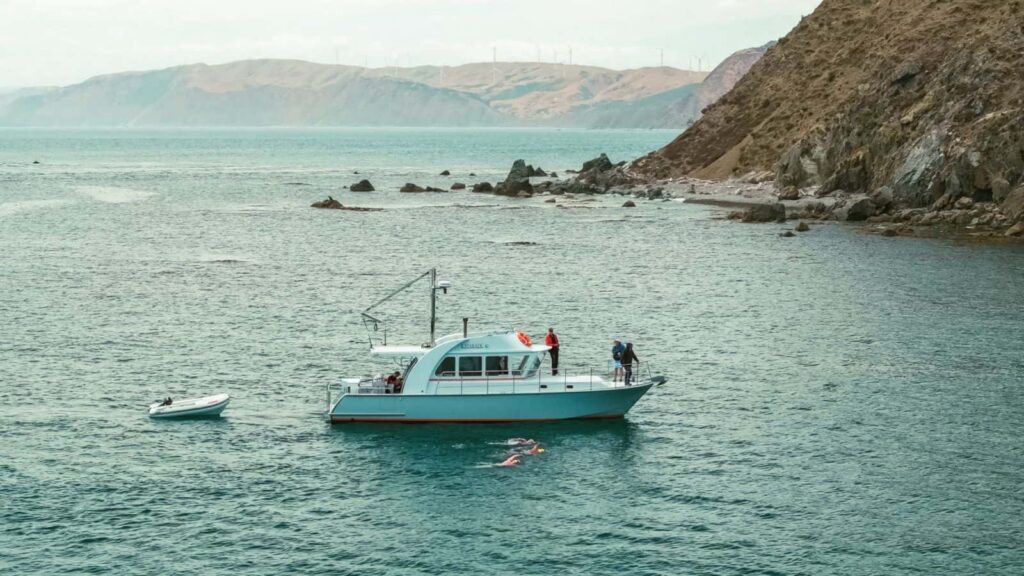
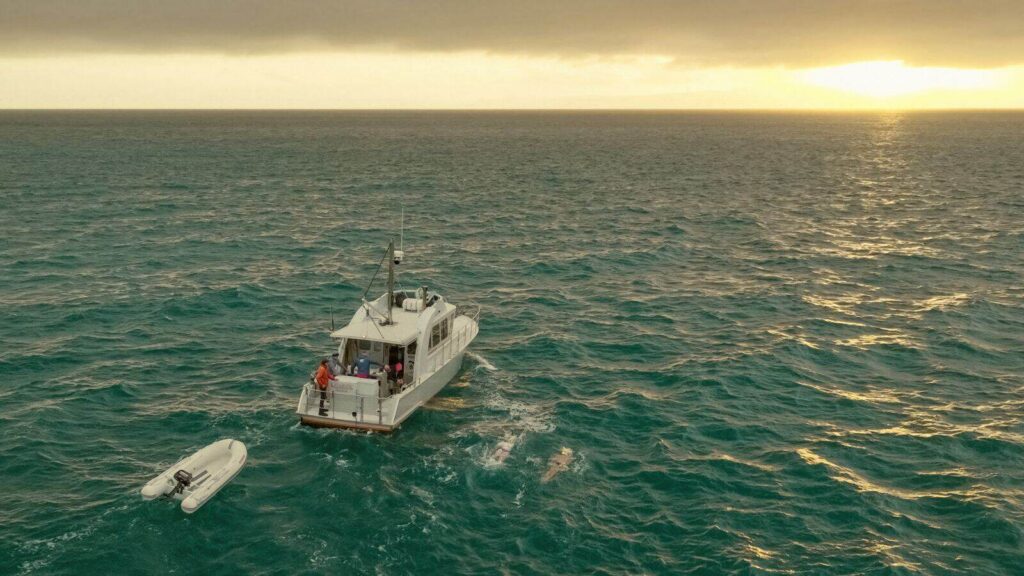
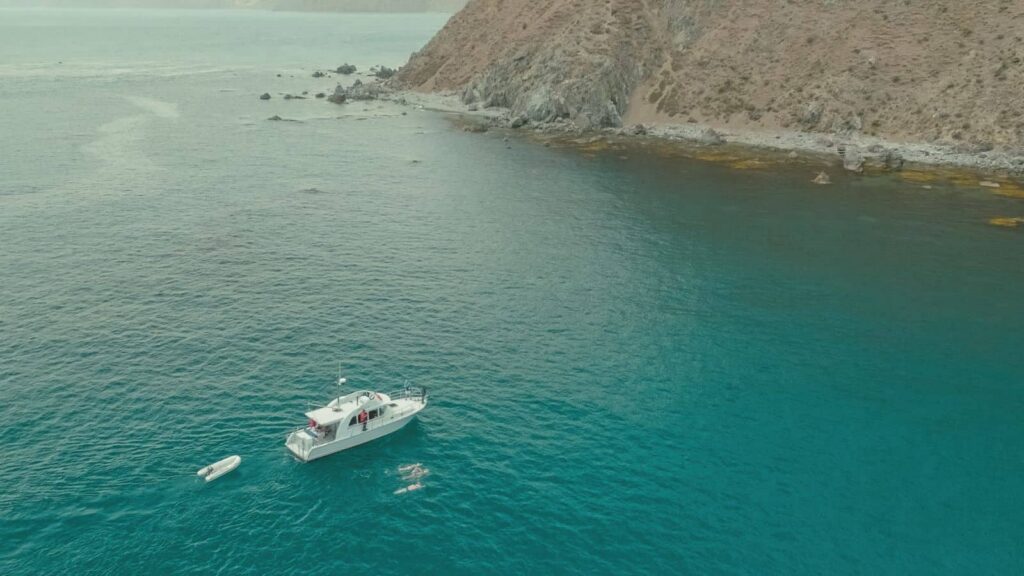
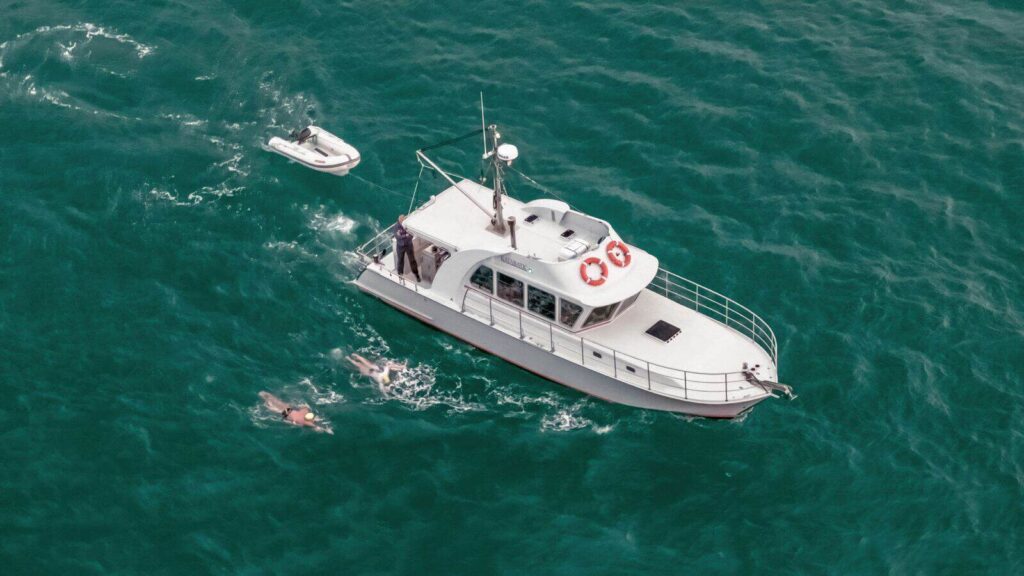
With the opportunity to do a tandem swim for this crossing, I asked Mark Sowerby about the possibility of attempting Cook Strait together. Although we would enter the water at approximately the same time and swim alongside one another, these would be two separate solo crossings. Each of us would swim independently under the recognised rules of marathon swimming, with our own coach responsible for feeds, monitoring and support.
I thought it would be fun to undertake a major crossing as a tandem swim and it would help both of us not worry about the marine life! Make no mistake, this crossing is home to some serious marine life.
My decision to ask Mark was not simply about having another swimmer nearby. Mark is one of the nicest people I have ever met, and I could not think of a better person with whom to share such a significant experience. It also helped that we swam at a similar pace, which was essential if we were to remain together without compromising either swimmer’s individual attempt.
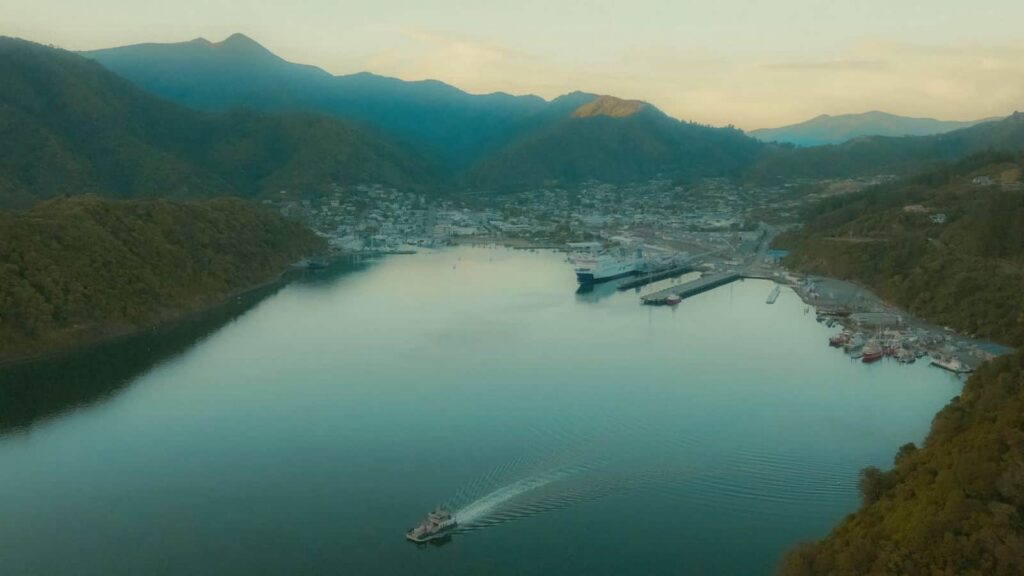
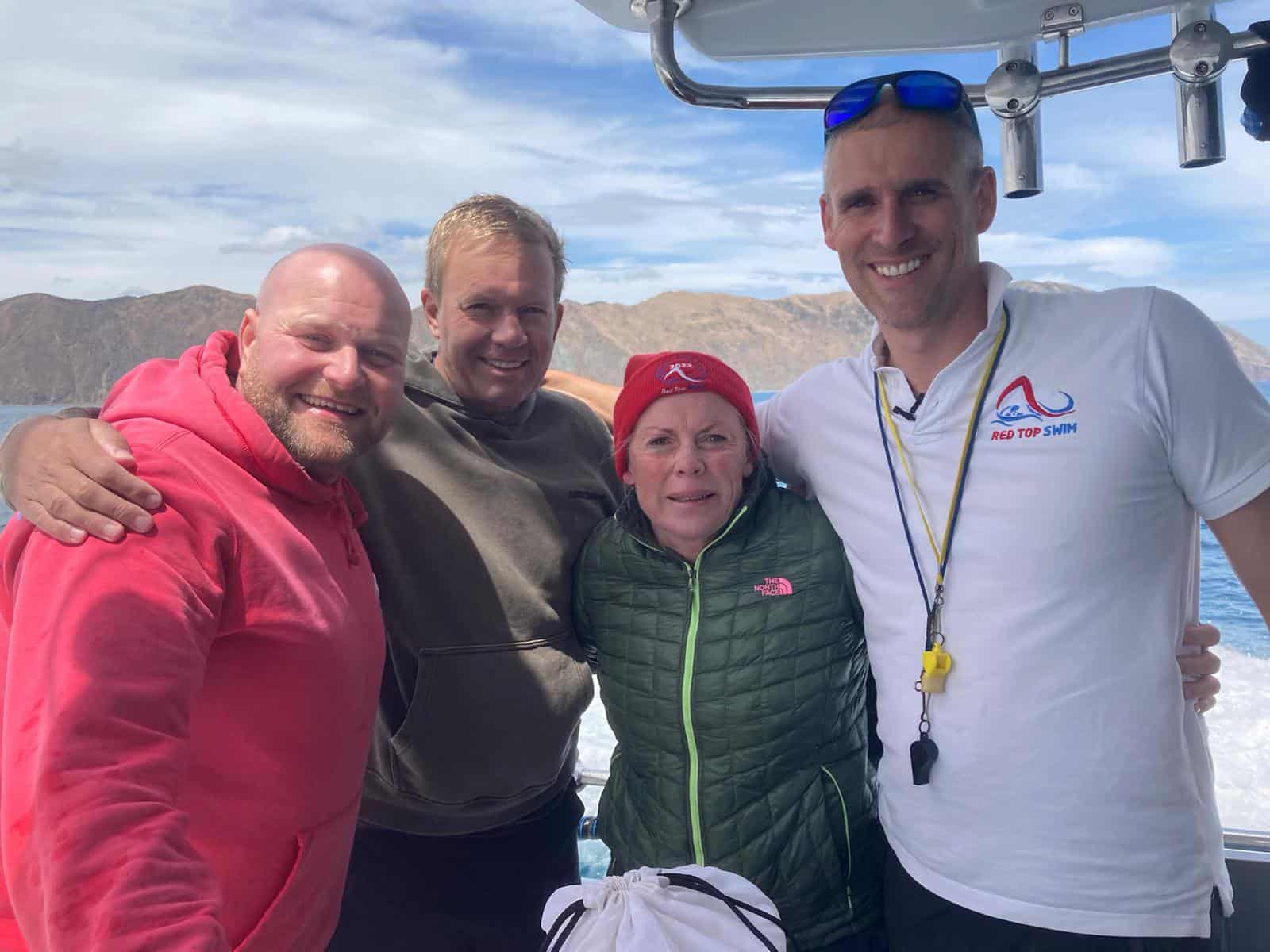
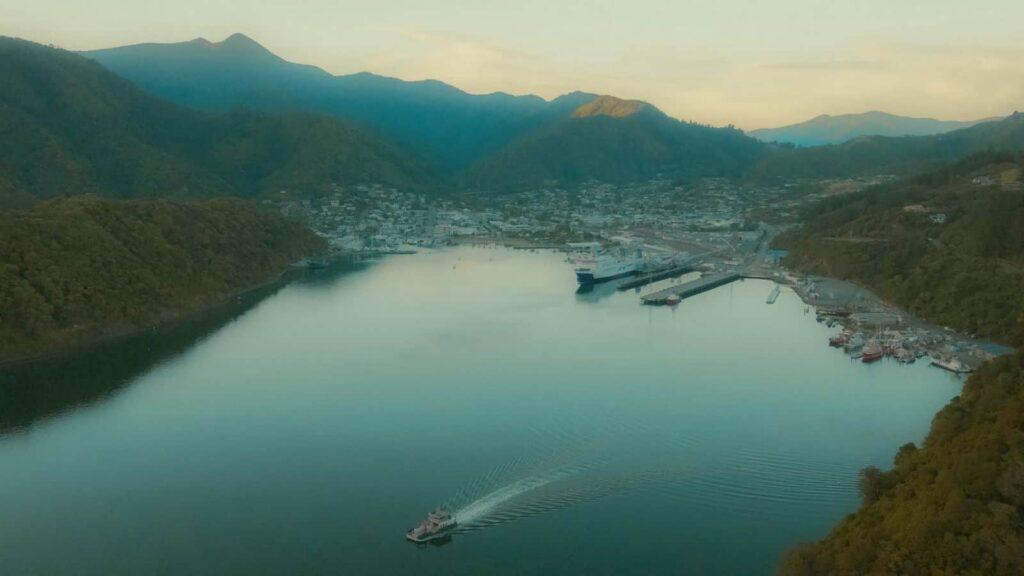
Mark agreed, and we secured an early-February tidal window with Grant Orchard of Katabatic Charters, operating from Picton.
The timing worked well for both of us. Mark had come out of his North Channel swim somewhat worse for wear and wanted time away from the pool before beginning another major preparation block. He was also planning a family holiday to Japan in January.
For me, our third daughter was returning to boarding school in Australia toward the end of January. My original plan was to see her off before continuing to New Zealand for the swim.
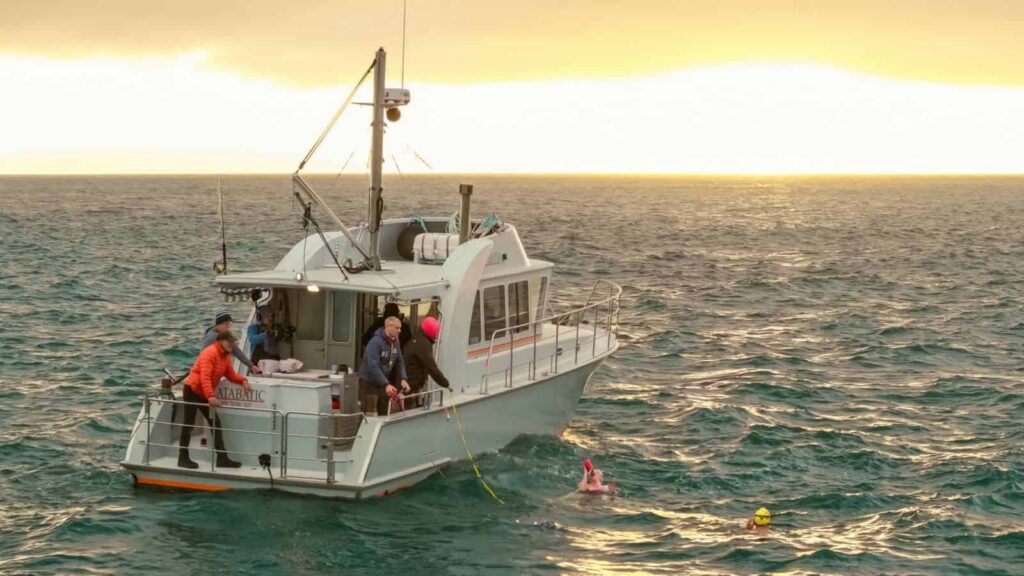
Because two swimmers would be attempting individual solo crossings at the same time, we would have two coaches onboard the escort boat. Tim would be responsible for Mark, while Matt would manage my feeds, monitor my condition and support me throughout the crossing.
Several members of our swimming squad had secured three tidal slots at the beginning of 2024, with Mark and me scheduled as the final pair. This worked in our favour because we were able to learn from the swimmers who crossed before us. Their observations about the water temperature, conditions and practical demands of the crossing helped us refine our preparations before our own swim day.
As with all channel swims, however, an allocated window is never a guaranteed departure date. Weather, tides and sea conditions determine when a swimmer can safely enter the water. As the forecast developed, Grant brought our crossing forward by several days to 1 February 2024.
The change meant that Mark and I had to scramble to get ourselves across the pond earlier than planned. We quickly reorganised our arrangements and made our way to Picton. Fortunately, I was already in Australia. Had I needed to travel from Abu Dhabi at such short notice, I doubt I would have reached Picton in time. The downside was that I had to leave Australia earlier than planned and missed seeing my daughter return to boarding school.
One of the things I love most about travelling for marathon swims is the opportunity to reconnect with people and meet others who share the same passion for the ocean. My time in New Zealand allowed me to catch up with several Kiwi women with whom I had trained and competed in triathlon while living in Abu Dhabi. I also reconnected with an old school friend whom I had not seen since leaving my hometown in the late 1980s. It was another reminder of just how small the world can be.
Mark and I met on 31 January before making our way to Picton. We had agreed that staying near the marina would make the final preparations easier, so we booked an apartment at the Picton Harbour Hotel. The hotel was only a five-minute walk from where our escort boat was moored, giving us a convenient base from which to organise our equipment, meet the crew and prepare for the crossing.
Swim Morning
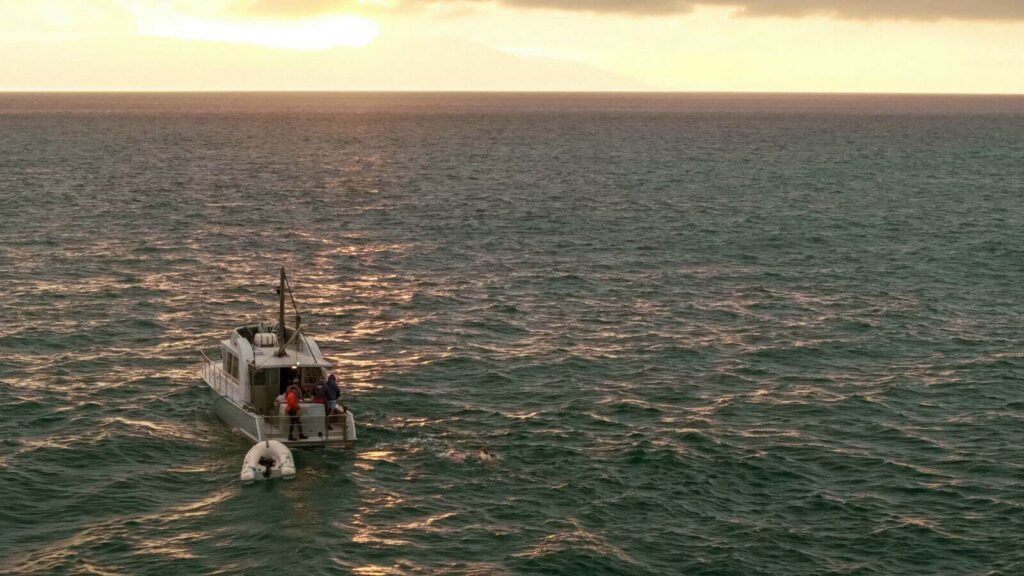
Cook Strait swim mornings begin early. We were onboard the boat around 3:30 a.m which meant a very early get up to pre fuel and get some the coffee in. There was nothing stressful about the morning – we walked down to the marina with minimal gear having loaded the boat the night before. Shortly thereafter we headed towards the starting point off the South Island. It was still completely dark, like pitch dark, and dropping into the water in those conditions was an experience in itself.
Before swim day, Mark and I had discussed what would happen if we saw a shark. Mark graciously told me:
“JoJo, I will let you climb back onto the boat first. Always ladies first.”
I remember thinking, What a lovely gesture, Mark.
Make no bones about it, though—I would have beaten him to the ladder in any event.
This gesture rolled into swim day. Once we had been greased up and were standing on the boat ready to enter the water, I turned to Mark and asked “Who is going in first?”
“Always ladies first, JoJo,” he replied.
How sweet.
It was only after the swim that Mark confessed the real reason behind his gentlemanly behaviour. He had apparently read that if sharks were in the area, the splash and noise created by a swimmer entering the water might attract their attention. His plan was to let me enter first, wait five seconds to see what happened and then follow me in.
From that moment on, “Ladies first” became our thing.
Into the Strait
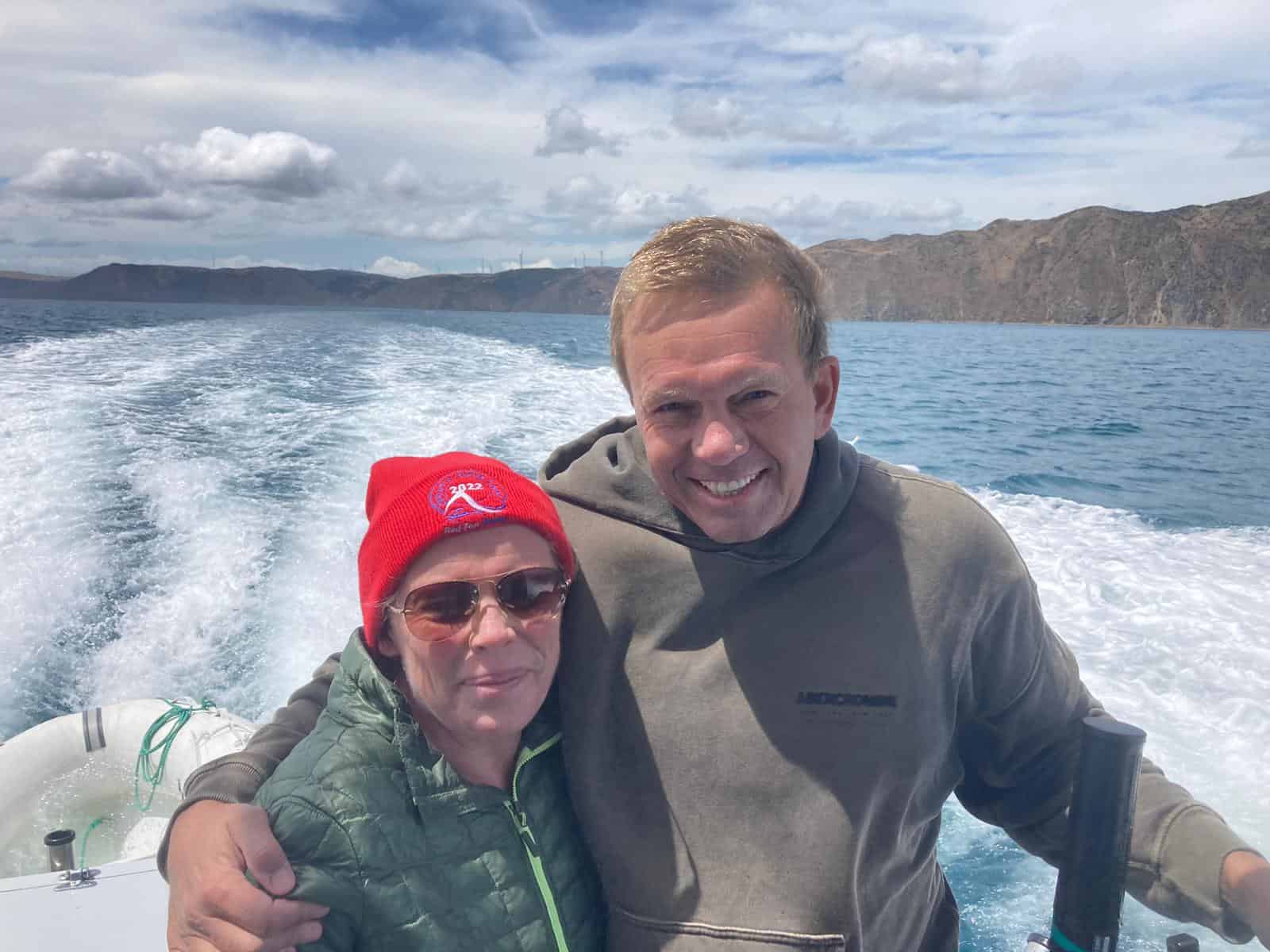
The water at the starting point off the South Island was cold from the moment we entered. We knew to expect this from the reports provided by the swimmers who had crossed before us. The reason for this is that there is a deep gulf close to the shoreline and the cold water comes up through this gulf. The temperature was around 14°C, perhaps slightly cooler, which was certainly enough to wake us up as we made our way to the rocks for the official swim start.
We had a slightly bumpy beginning—not because of the sea conditions, but because Mark seemed unable to swim in a straight line or stay close enough to the escort boat during the first hour.
Eventually, Tim had a few words with him and explained:
“There is only one shark shield, and it is on the boat!”
Mark managed to sort himself out fairly quickly after receiving that message. I wonder why.
The conditions remained bumpy throughout the day. There was no particularly large swell, but we faced constant small waves for most of the crossing. The conditions were persistent rather than dramatic—the kind of movement that never allows a swimmer to settle completely and gradually wears you down over many hours. Neither Mark nor I spoke much during our feeds, however it was such a nice feeling seeing him in the water next to me and the swim was so much more enjoyable for me because of this.
Toward the back end of the crossing, we encountered a whirlpool of current that pushed us away from our intended finish line. We were forced to swim farther than planned and ultimately missed our original landing point. It was another reminder that, in Cook Strait, the most direct route is rarely the route the water allows you to take. All 3 tandems swim for RedTop started and finished in different places and not one swim track looked like the other.
The greatest surprise of the day, however, was the temperature. Our intelligence from the earlier swimmers suggested that the water would remain cold for the first hour or so before warming to approximately 17°C or 18°C farther into the strait.
That may have been their experience, but it was certainly not ours.
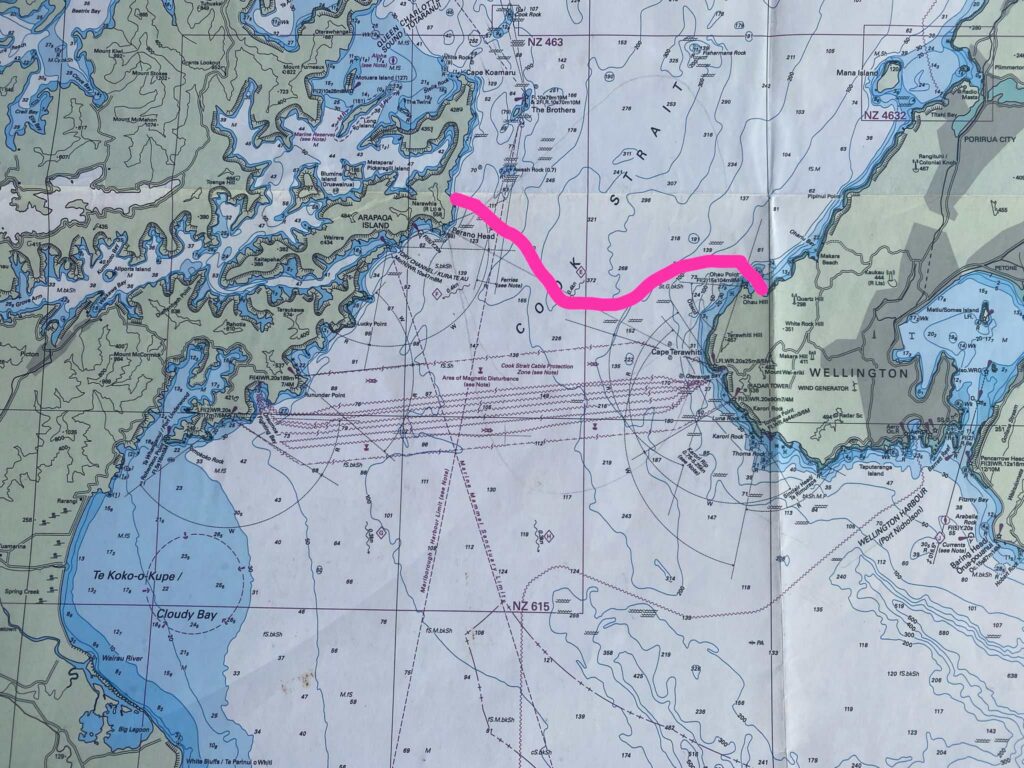
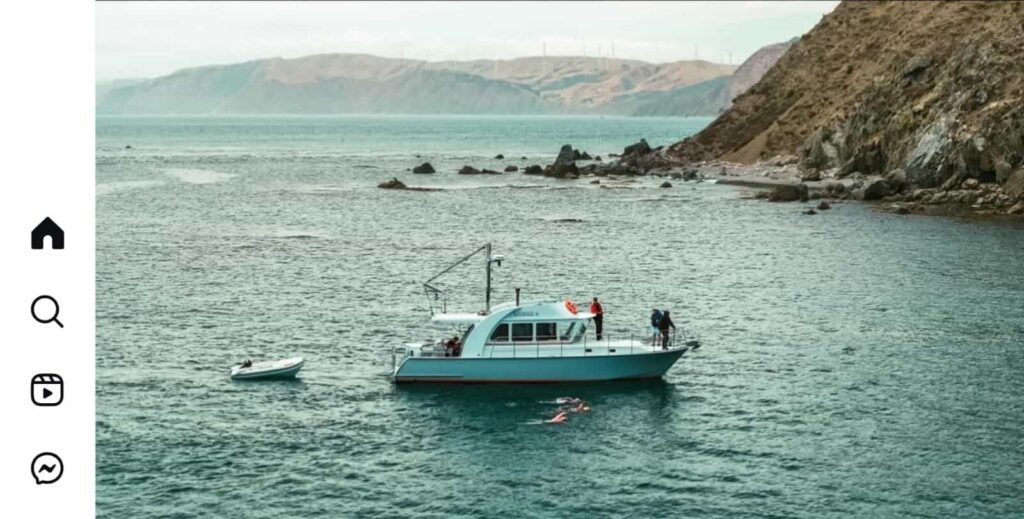
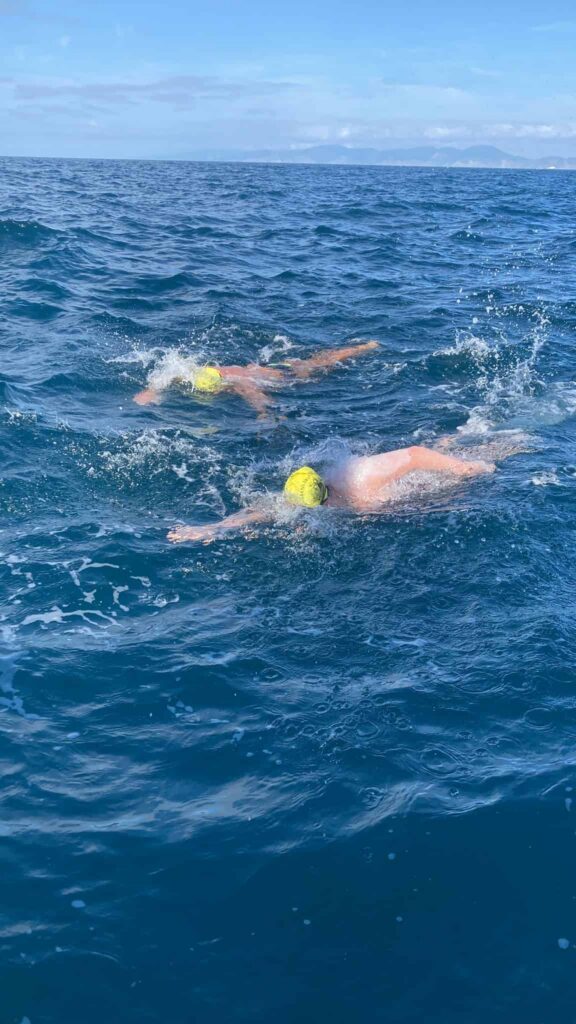
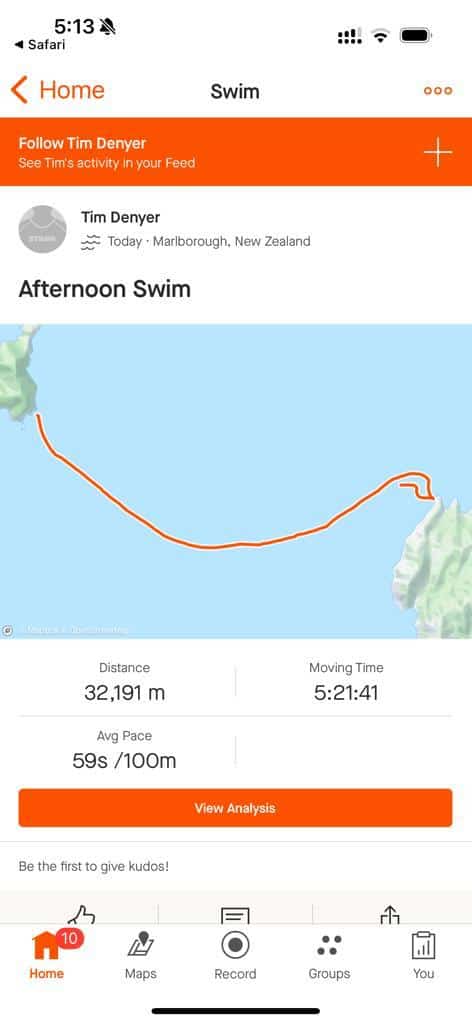
On our day, the water remained cold from beginning to end. After completing the crossing, I asked Grant what the water temperature had been.
“Fourteen degrees,” he replied.
It was no wonder Mark and I had been so cold.
The water temperature is perhaps one of the main reasons Cook Strait is underestimated. The currents, tides and marine life attract much of the attention, but Cook Strait is, in my view, a cold-water swim. The temperature can quietly undermine a swimmer over many hours, particularly when combined with persistent waves and strong currents.
Anyone preparing to swim Cook Strait mustshould train with this firmly in mind. Failure to prepare properly for the cold could ultimately be their undoing.
For Mark and I the crossing became another shared adventure—two individually recognised solo swims undertaken side by side, shaped by cold water, difficult currents, persistent waves and plenty of humour (before and after the swim). It was a challenging day in one of the world’s most unpredictable stretches of water and another important step in my Oceans Seven journey.